
Three 8-Pin Cables Carried 900 Watts Into an RTX 5090

A stripped-down Galax RTX 5090 ran to 900W on three ordinary 8-pin connectors with the wires at 35 degrees C, and a second modder finally built the 16GB RTX 3070 Ti that NVIDIA never shipped.
A stripped-down Galax RTX 5090 ran to 900W on three ordinary 8-pin connectors with the wires at 35 degrees C, and a second modder finally built the 16GB RTX 3070 Ti that NVIDIA never shipped.
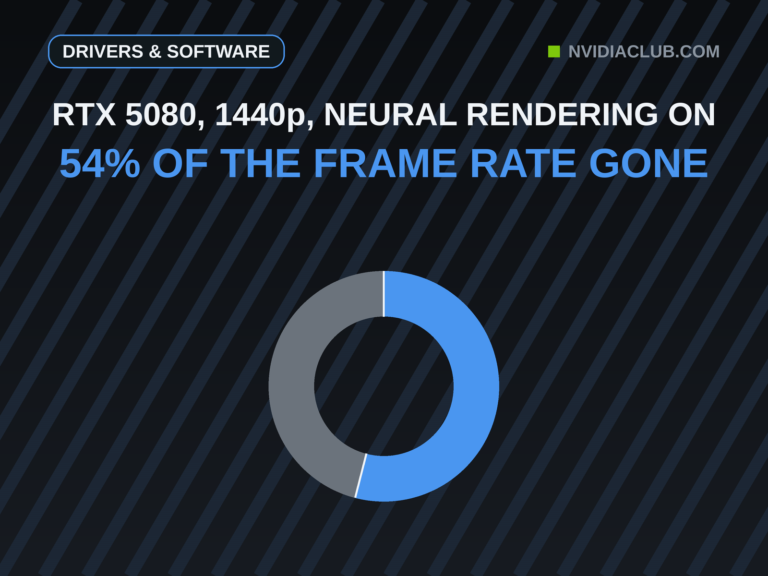
Independent on-versus-off testing puts a number on DLSS 5 Neural Rendering, NVIDIA commits to Ada support later, and AMD and Intel both ship game-support drivers.
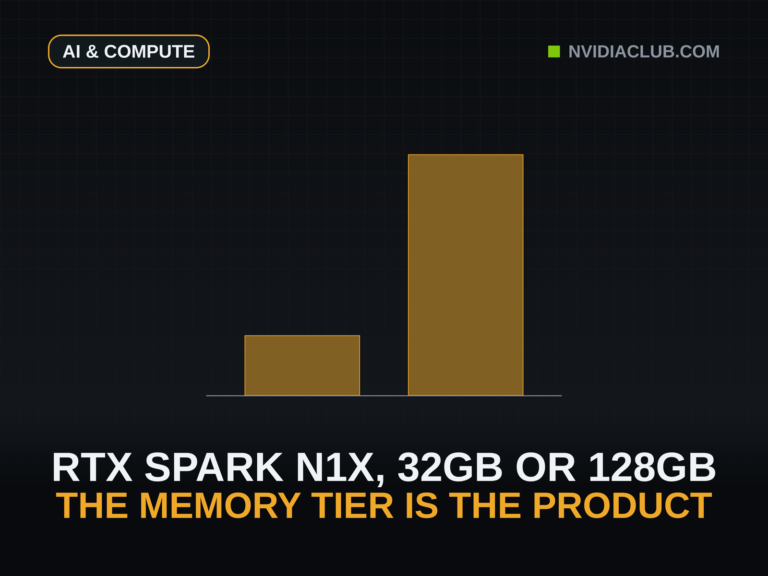
NVIDIA set October for RTX Spark, split the N1X into a 32GB and a 128GB tier, and shipped a router that spreads agent work across the PCs already on a home network.
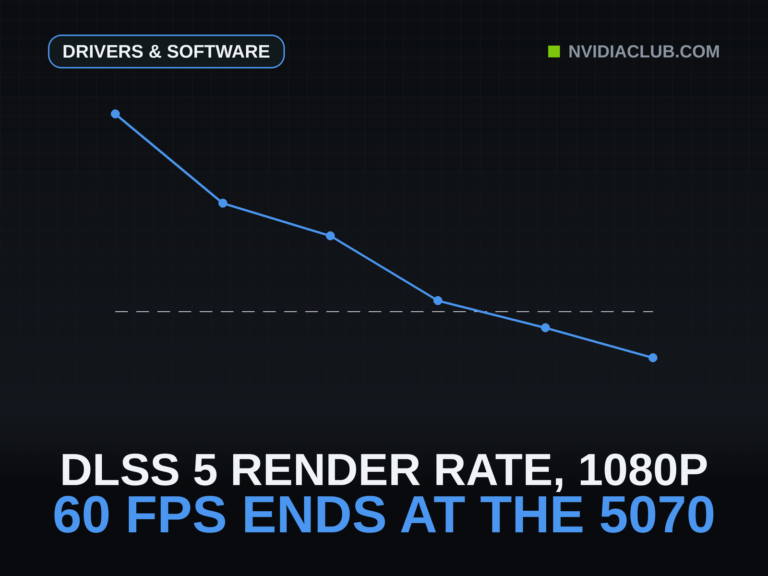
NVIDIA's first DLSS 5 charts show output frame rates, and the render rates behind them are a lot lower. The Game Ready driver it needs also has a flicker bug in testing.
With memory prices high and no new mainstream GPU worth queuing for, the gains this cycle landed in drivers and tools, not silicon: FSR 4.1 reaching older Radeon cards, driver strings hinting at 8x frame generation, and an Afterburner heatmap that shows where a GPU really runs on its voltage/frequency curve.
The RTX 50 series pairs a real feature jump, GDDR7, PCIe 5.0, DisplayPort 2.1, and DLSS 4 Multi Frame Generation, with a node that did not change and a launch that went sideways on connectors and missing ROPs. This guide maps the whole Blackwell stack and what each name actually buys.
The first edition of a weekly digest of NVIDIA's own GeForce announcements. This one catches up on July 2026: three R610 drivers, DLSS 4.5 Ray Reconstruction due in August, the RTX Spark mini-workstation, and NVIDIA App capture upgrades, with every claim linked back to NVIDIA's own post and separated into shipped now versus promised later.
NVIDIA's 96GB workstation flagship has climbed 55% since launch, and reporting puts only a sliver of that on manufacturing. The rest is the same GDDR7 squeeze driving consumer prices, now visible at the very top of the product stack where there is no substitute to switch to.
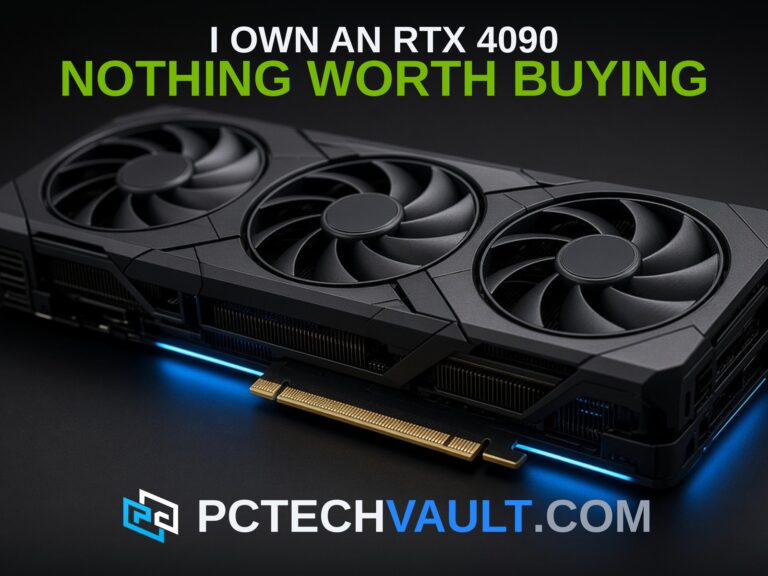
In 2016 I replaced my GTX 980 with a GTX 1080 the moment it launched, because the gap made the decision for me. In 2026 I own an RTX 4090, the RTX 5090 is a quarter to a third faster at prices near double its MSRP, and for the first time in my years of building PCs the right upgrade is none. Here is my read on how we got here, with the numbers.