
Radeon HD 3850
Reference GPU
TeraScale2007
320 Stream Processors · 512 MB GDDR3 · 75 W
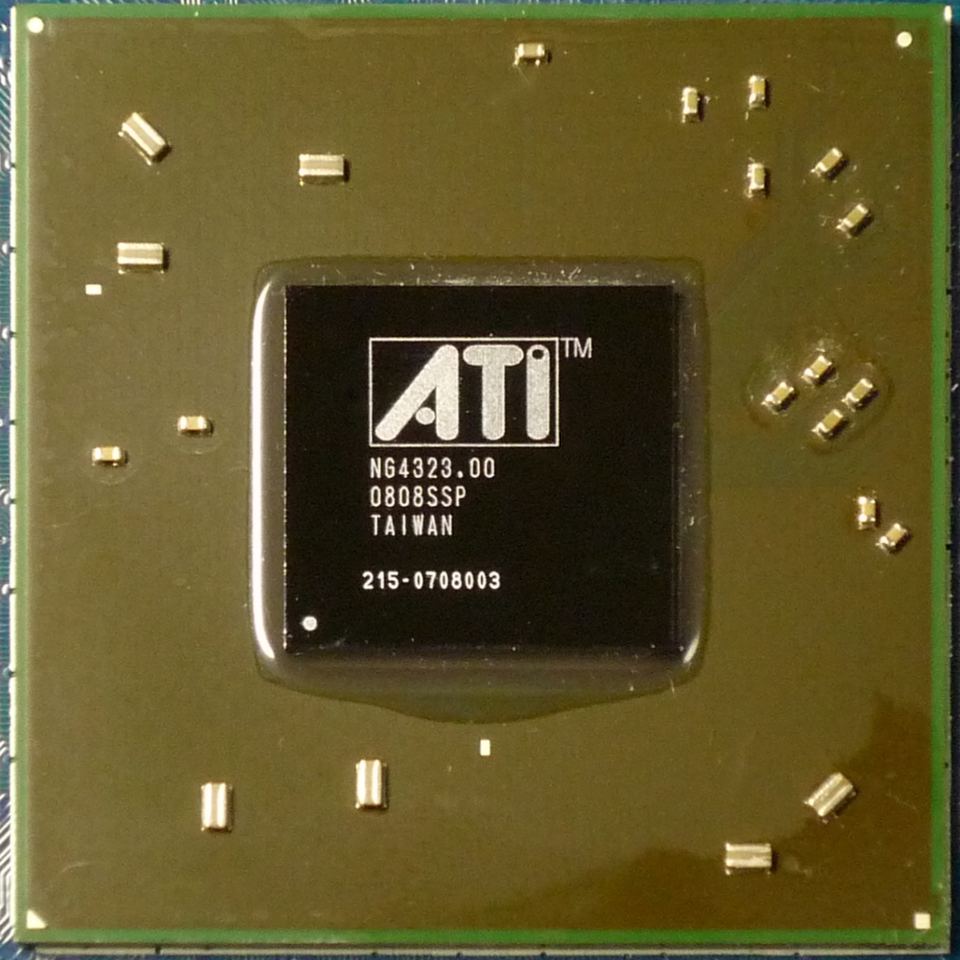
GPU Wiki Architecture
TeraScale is the VLIW5 (Very Long Instruction Word, 5-wide) shader architecture used across ATI and AMD discrete GPUs from 2007 through 2010, spanning the Radeon HD 2000, 3000, and 4000 series. It succeeded the R580/R600 design and represented ATI's first DirectX 10 GPU family.
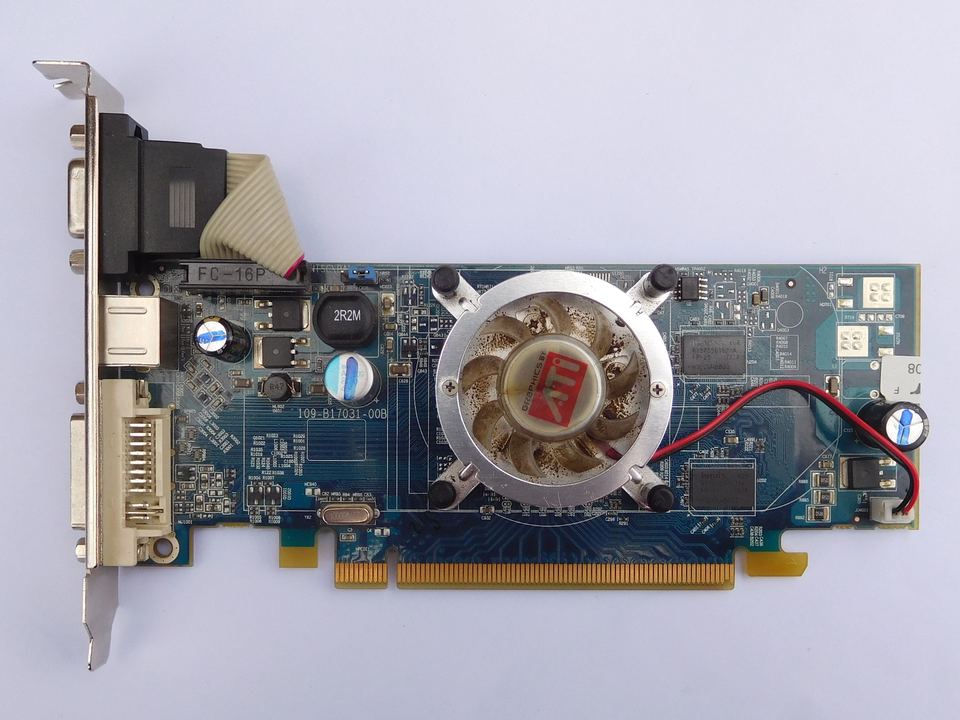
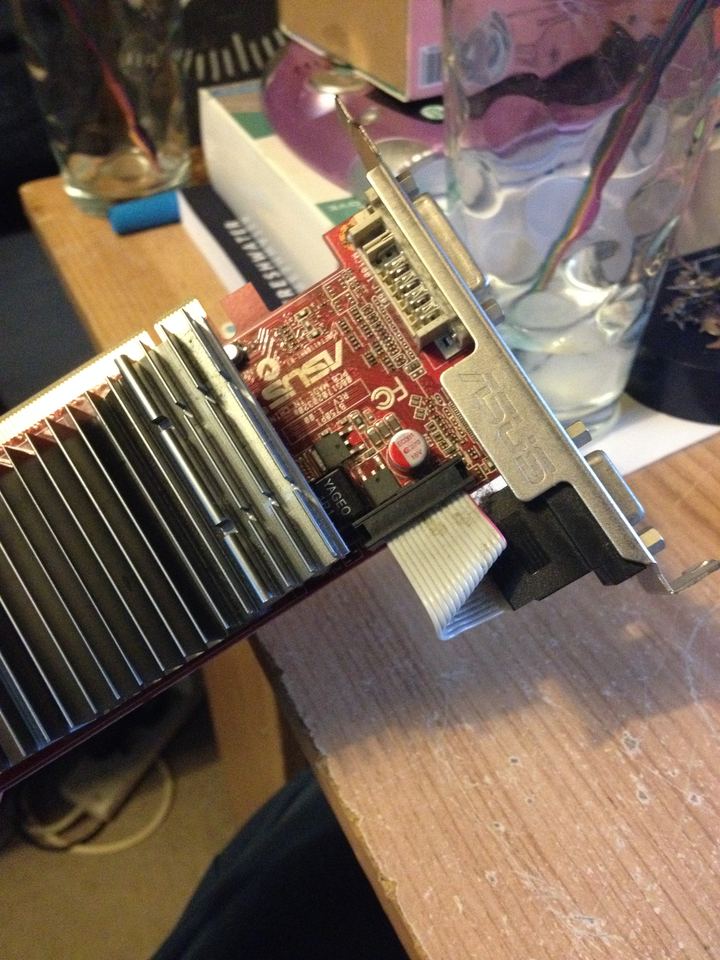
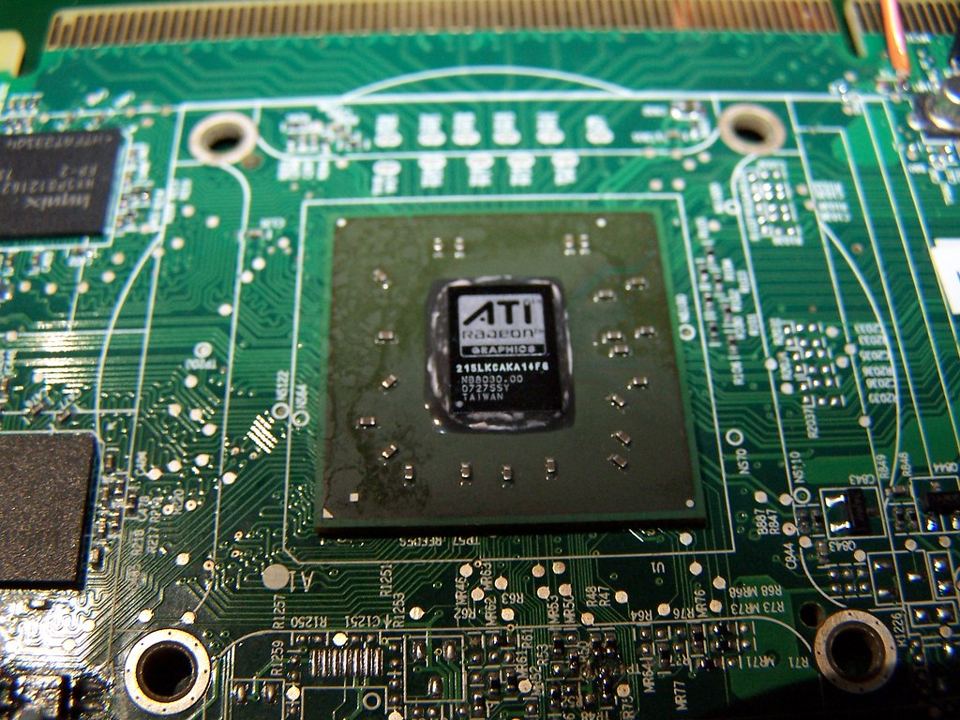
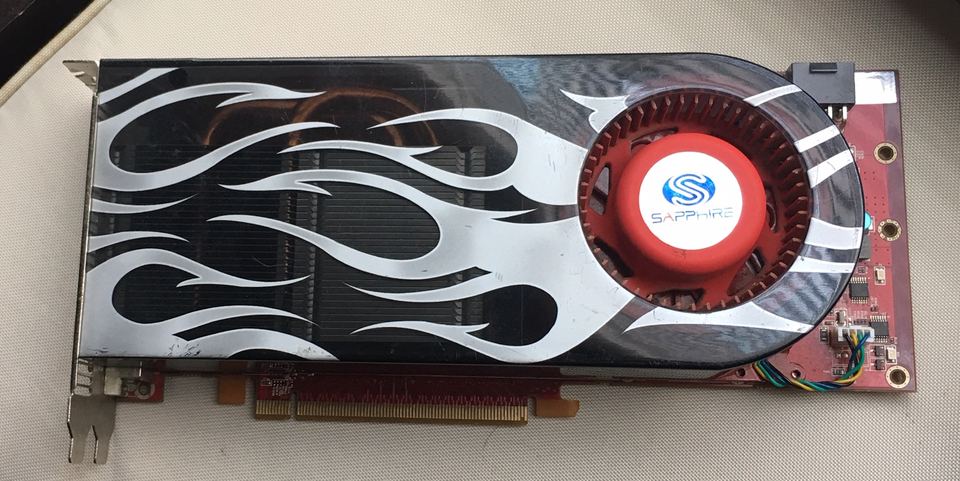
The RV770 die (Radeon HD 4870) was a landmark product: a 55nm design that delivered strong performance at a competitive price and forced NVIDIA to cut prices on its GeForce GTX 200 series.
VLIW5 shader array: each shader processor cluster handles a 5-wide VLIW instruction bundle, requiring the compiler to pack instructions efficiently.
First ATI architecture with DirectX 10 compliance (R600), and first with DirectX 10.1 (RV770).
GDDR5 debut on a consumer GPU: HD 4870 was the first shipping consumer card with GDDR5 memory (256-bit at 115.2 GB/s).
HD 4870 X2: dual-GPU card on a single PCB, an early AMD dual-GPU reference design.
Stream computing (ATI Stream): early OpenCL-precursor compute support on select models.
The TeraScale HD 4870 and HD 4850 are remembered as the GPUs that re-established ATI as a competitive force at the mainstream and high-end segments. The RV770 in particular forced aggressive NVIDIA price cuts and set a precedent for AMD using aggressive pricing and competitive architecture to pressure the market. The HD 4870's GDDR5 adoption was a key industry moment, making GDDR5 the dominant GPU memory standard for the following decade.