
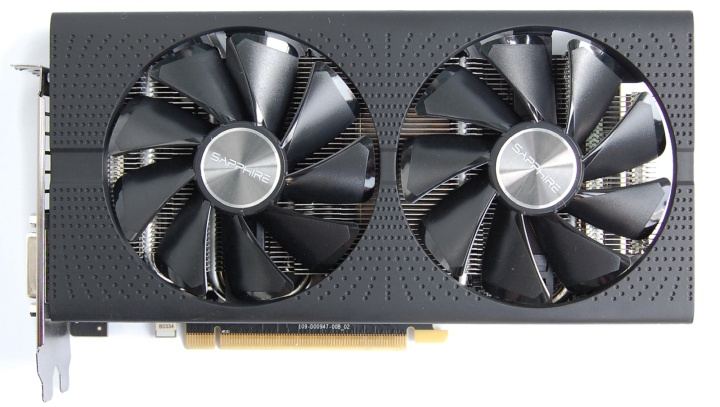
AMD Radeon RX 580
Reference GPU
GCN 4.02017
2,304 Stream Processors · 8 GB GDDR5 · 185 W
GPU Wiki Architecture
GCN 4.0, commonly called Polaris, launched in 2016 on a 14nm FinFET process and powered the Radeon RX 400 and RX 500 series. The jump to 14nm delivered a substantial improvement in performance per watt over the 28nm GCN generations.
The RX 480 and its successor the RX 570 / RX 580 became some of AMD's best-selling discrete GPUs, dominating the mainstream segment and remaining in production for several years.
14nm FinFET: first AMD discrete GPU on a sub-28nm process, enabling significantly lower power consumption at equivalent performance versus GCN 2.0/3.0.
Primary target was the mainstream market (RX 480 priced at $200 USD at launch).
DirectX 12 feature level 12_0 and Vulkan 1.0.
HDMI 2.0b and DisplayPort 1.4 support.
Premier support for AMD FreeSync (Adaptive Sync) at mainstream price points.
Polaris was AMD's most commercially successful GCN generation. The RX 570 and RX 580 remained competitive and actively sold for years after launch, appearing in budget builds and refurbished markets well into the RDNA era. The generation also became popular for GPU mining during the 2017 cryptocurrency boom, leading to widespread secondary market availability of well-used cards that are common in collector and budget-build contexts.