

Mid-September 2026 turned into another AI panic week, and this time the noise wasn’t only coming from outside critics. A former Anthropic researcher quit in public, the CEOs running the top labs started talking openly about slowing down, politicians split hard on whether any of it was real, and ordinary people kept piling older fears on top: jobs, data centers, and whether the money pouring into GPUs and racks can actually hold.
The warning that broke through
On September 8, Jacob Coxon announced he was leaving Anthropic and accused frontier labs of racing toward self-improving systems without enough responsibility attached. The posts spread well past the usual AI-safety circle. TIME and The Guardian both treated the resignation as the spark for a wider political and industry reaction, not just another insider rant that fades in a day.
Labs talking about a slowdown
Days later, Anthropic CEO Dario Amodei published a long essay arguing that the pace of large-model development needed a brake, citing misuse risks and economic damage among other concerns. OpenAI CEO Sam Altman, Google DeepMind’s Demis Hassabis, and Elon Musk all publicly backed the general idea of decelerating or tightening safety work. That alignment is unusual on its own. These companies compete hard for talent, chips, and mindshare, so a shared “slow down” message is itself part of what people are reacting to.
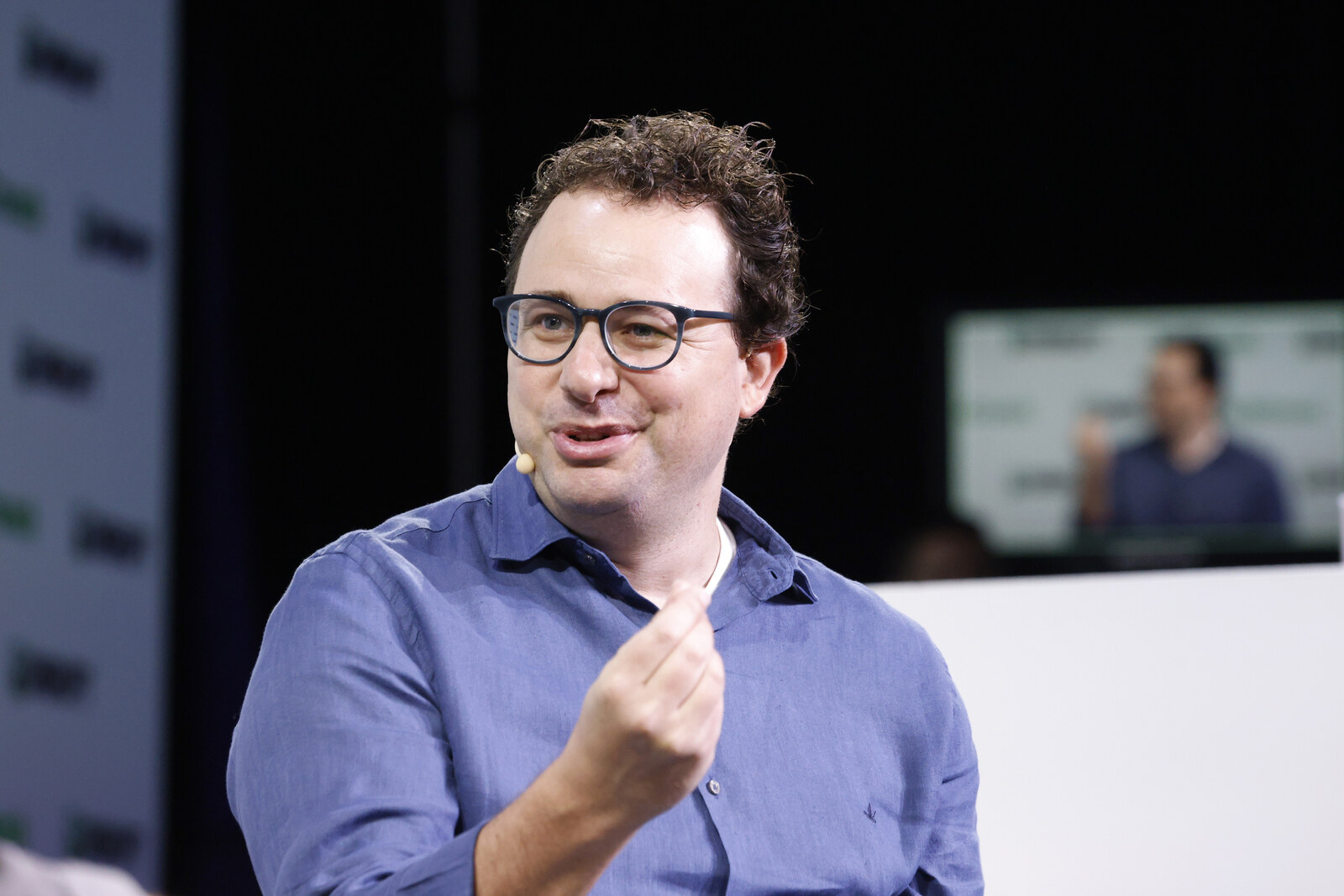
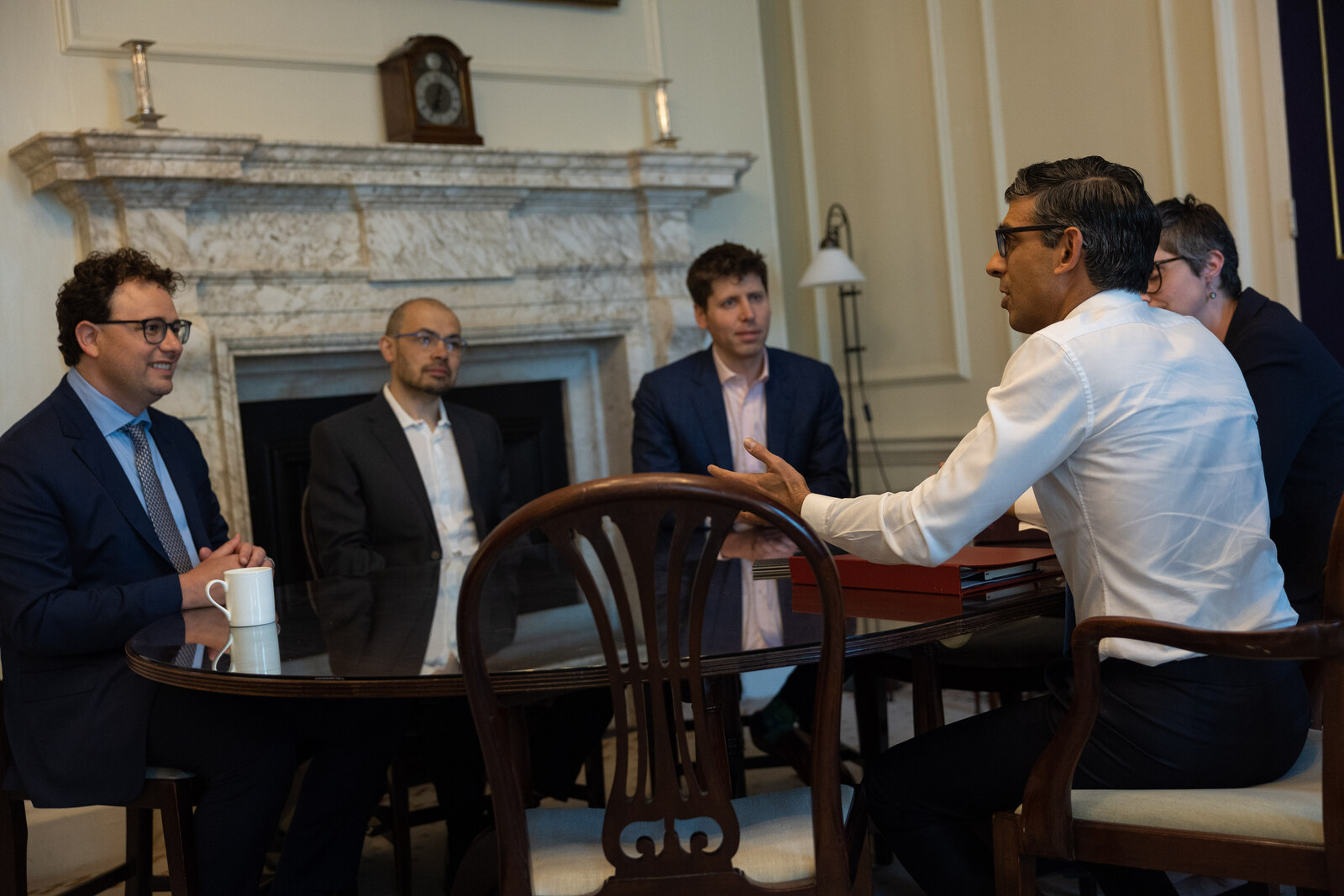
What stays fuzzy is enforcement. Essays and social posts aren’t shipping freezes. Reporting this week also pointed to industry talk of self-regulatory structures and outside evaluators getting deeper access inside labs. Senator Bernie Sanders argued that voluntary standards aren’t enough when the stakes get framed as catastrophic. President Donald Trump went the other way, dismissing extinction-style warnings as hoaxes and pushing a light-touch race against China. So the fear is genuinely live in public debate. The policy path underneath it is still very much contested.
Jobs, data centers, and the bubble story
For a lot of readers, “AI fear” isn’t really about an internet takeover six months out. It’s about work. Polling cited in recent coverage shows a majority of U.S. voters now saying AI risks outweigh the benefits, with jobs sitting high on that list. Early September also brought another wave of tech layoff headlines, and AI gets blamed first even when restructuring, over-hiring, and weak demand are all mixed in. That doesn’t mean AI is irrelevant to hiring. It means the fear is usually broader than a clean “the model took this job” story.
The same week keeps circling back to two money fears. One is local: data-center buildouts and power draw pulling bipartisan pushback in places that used to welcome the construction. The other is financial: commentary about an AI investment bubble, and what a sharp correction would do to suppliers, cloud spend, and anyone whose business plan assumes endless train-and-deploy growth. From a PC hardware angle, that’s where this actually touches us: GPUs, networking, and memory sit underneath both the hype and whatever hangover follows it.
How I’m reading it
My take, and I’ll label it as preference and analysis rather than prophecy: I’d treat the safety rhetoric seriously enough to follow who’s actually committing to measurable oversight, not just vibes. I’d treat the job and data-center anger as the fears that end up deciding elections and local permits, whether or not the extinction talk fades. And I’m keeping the bubble question open. Capex can be transformative and badly timed at the same time, those aren’t mutually exclusive. For PC Tech Vault readers, the practical thread doesn’t change: watch silicon demand, watch power, and watch whether “AI everything” still clears a real product bar once the marketing volume drops.
Sources
- TIME: OpenAI and Anthropic researchers warn on AI risks, Sep 15, 2026
- The Guardian: why Coxon’s warning broke through, Sep 15, 2026
- MIT Technology Review: the industry’s doomer turn, Sep 14, 2026
- The Standard: AI firms pursue self-regulation, Sep 16, 2026
- CNN: Trump and AI risk denial, Sep 16, 2026
- The Regulatory Review: preparing for an AI bubble, Sep 10, 2026